Environmental Protection & Management
Protecting forests, peatland, and biodiversity is central to how we operate — guided by our NDPE commitment and applied across every hectare under our management.
At Permata Group, environmental protection is embedded directly into our daily operational governance. We are committed to minimizing our ecological footprint, safeguarding natural ecosystems, and ensuring sustainable palm oil production through strict compliance with national and international standards, including RSPO, ISPO, and ISO 14001.

At a Glance
- Pillar
- Environment
- Focus Areas
- 5 covered below
Our Focus Areas
Each area represents a long-term commitment backed by policy, measurement, and accountability.

01 / 05
Biodiversity & Land Use
Healthy ecosystems and thriving biodiversity are fundamental to long-term agricultural sustainability. We take proactive measures to safeguard natural habitats, prevent forest loss, and promote ecological connectivity across our operational boundaries
- No Deforestation Commitments: zero conversion of high conservation value (HCV) areas, peatlands, and high carbon stock (HCS) forests. Permata Group had not cleared any new land for oil palm cultivation since early 2000s. However, if we ever need to clear new land for new oil palm development, we will engage qualified and registered assessors to conduct HCV-HCS assessments and will plan our expansion following recommendations outlined in our HCV-HCS assessments.
- Conservation Area Management: Permata Group understood the role of HCV area in protecting the biodiversity of the area around our operations and we fully appreciate the needs and the benefits of protecting them. Consequently, we have commissioned HCV assessments for all of our plantations to identify the important environmental and social values present within the boundary of our plantations. We have also established and implemented a management and monitoring plan to protect and conserve the HCV area identified.
- Landscape Collaboration: Partnering with local communities and smallholders to support landscape-level conservation and prevent encroachment, such as Aceh Sustainable Palm Oil Working Group
360.72 Ha
Under Conservation & Monitoring Program
58 Plant Species
Found and Protected on Our Consession
85 Animal Species
Found and Protected on Our Consession
02 / 05
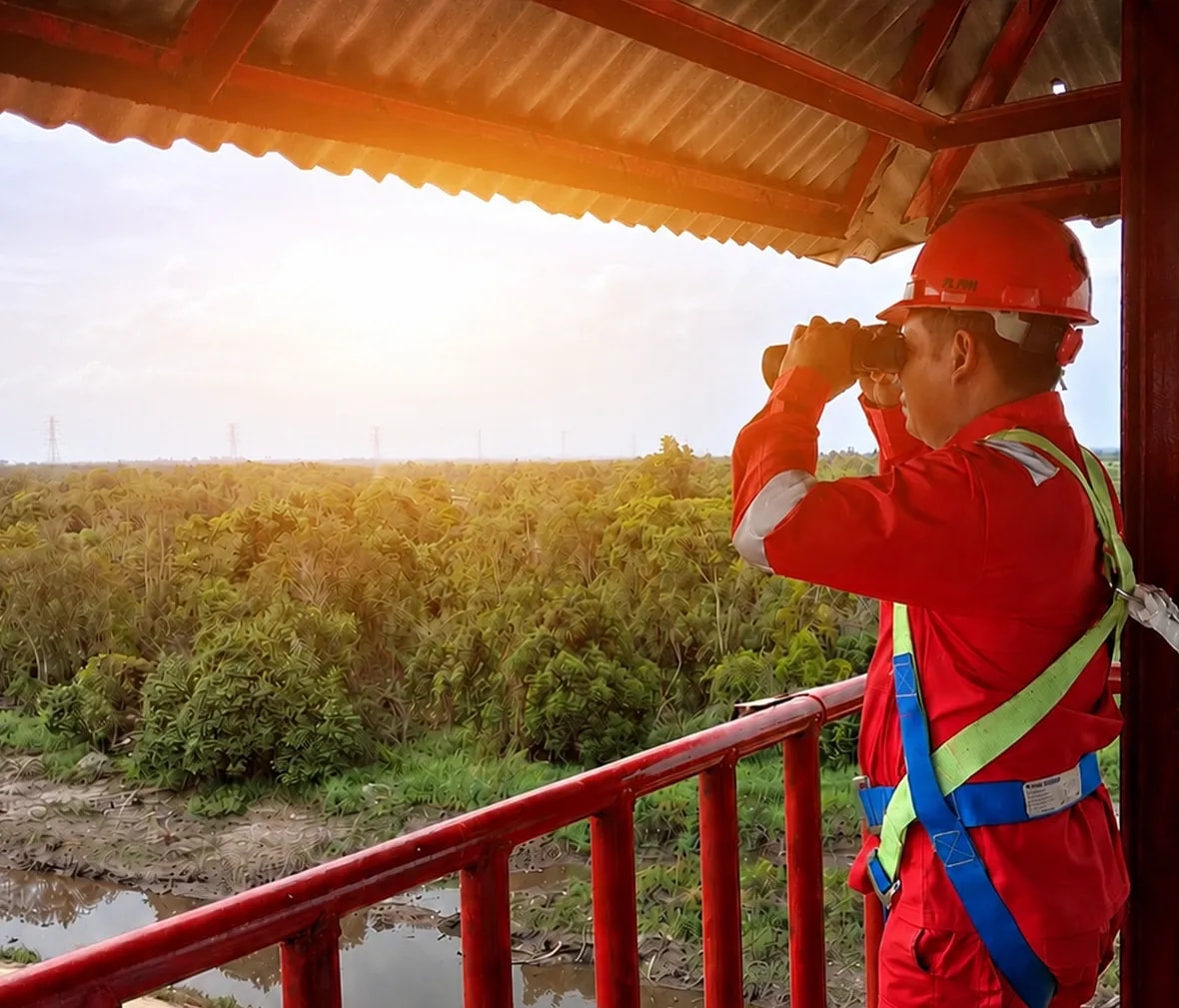
Peat & Fire Management
Safeguarding peatlands and mitigating fire risks are vital to preserving carbon sinks and preventing air pollution
- No Development on Peat: Permata Group believes that peatland should be protected and has committed to zero peat development. We will not develop new oil palm plantation on peat (following the Indonesian Interpretation of RSPO’s definition of peat) regardless of depth.
- Peatland Management: For our existing plantation on peat, we will maintain optimal water levels in accordance with the RSPO Best Management Practice (BMP). We installed a proper water management system such as water weir and water gate in our canals to maintain the water level of our peat area at the optimal 50-70 cm below the ground level. We also monitor the subsidence rate of our peat area.
- Zero Burning Policy & Fire Prevention: Enforcing Zero Burning Policy across all estates, supported by trained fire-fighting teams, real-time sattelite monitoring, and early detection system.
0 Ha
New development on Peat
10 Village
Under Fire Free Village Programme
Real Time
Hotspot Monitoring
03 / 05
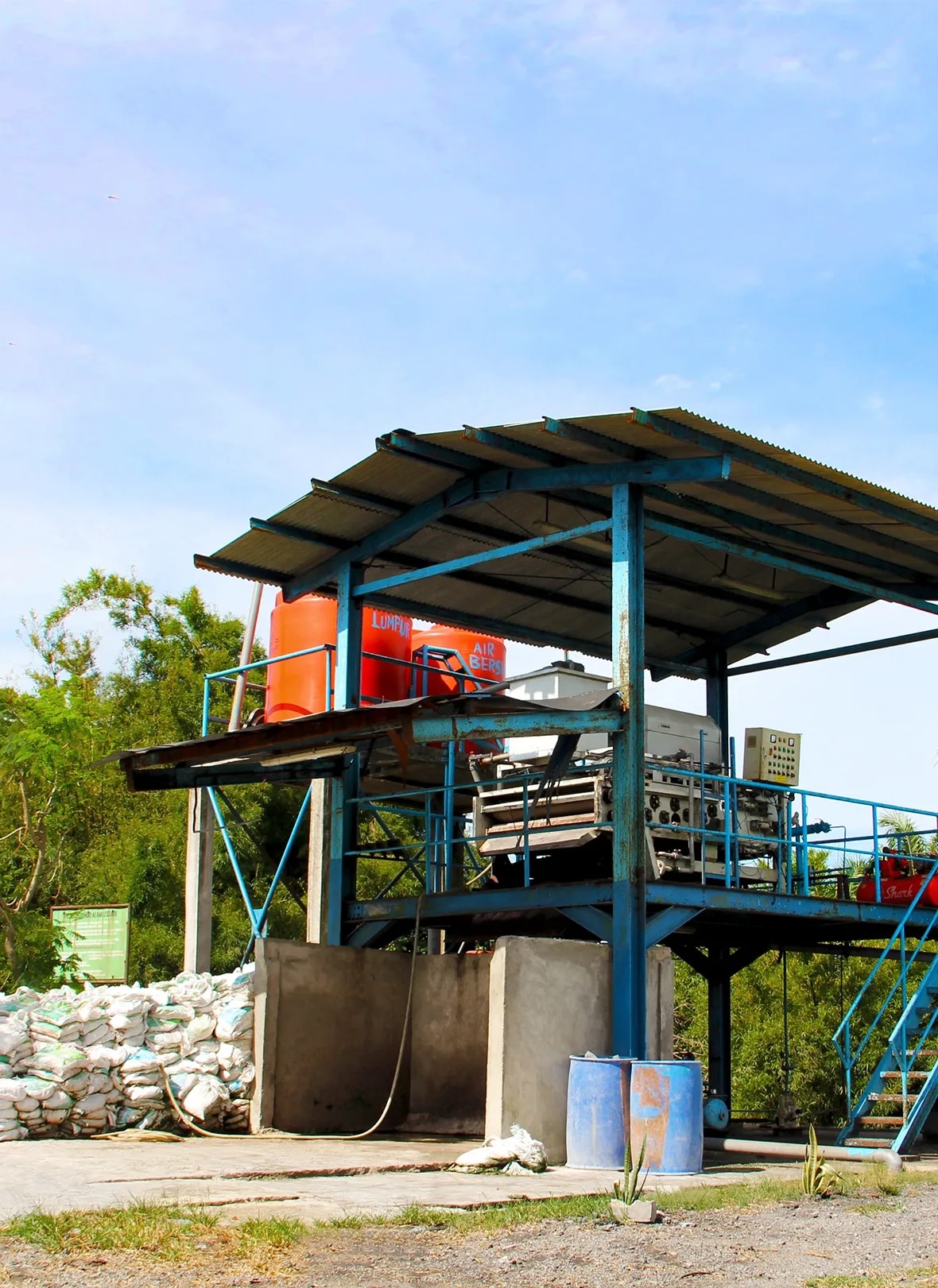
Climate & GHG Emissions
We actively reduce our greenhouse gas (GHG) footprint by capturing waste methane, optimizing energy efficiency, and transitioning toward renewable & clean energy.
- Greenhouse Gas (GHG) quantification and reduction: We use GHG Protocol to quantify our greenhouse emission, identify the sources of emissions and implement GHG emission reduction initiatives. We installed methane capture facilities, enforce No deforestation and No Peat policy in our sourcing, and support gradual adoption of electric vehicles for business travel and operational equipment such as wheel loaders and forklifts to support our transition toward lower-carbon operation.
- Renewable energy utilization: 40% of our energy consumption came from renewable energy. We utilize our waste biomass such as EFB, fibre and palm kernel shell to generate steam and electricity. In a year, we exported approximately 4,900,000 kWh of renewable electricity to the national grid.
- Energy Efficiency: We continuously improve our energy performance through process optimization, equipment upgrades, preventive maintenance, and regular audits conducted by certified energy managers and auditors.
Permata Group will continue to innovate and seek out other emission reduction opportunities in our continued fight against climate change. We understood that since we have already implemented the obvious and most impactful emission reduction programs (the low hanging fruits such as the use of biomass in our boilers, methane capture etc), the potential for further reduction is becoming more limited. As such, we have set a modest emission reduction target where we aimed to reduce our 2030 scope 1 + 2 GHG emission intensity by 10% compared to our 2020 baseline.
4 Methane Capture
Installed across Our Operation
164,000 ton CO2e
Avoided Annualy for Each Methane Capture Facilities
40% Renewable Energy
In Our Energy Mix
04 / 05
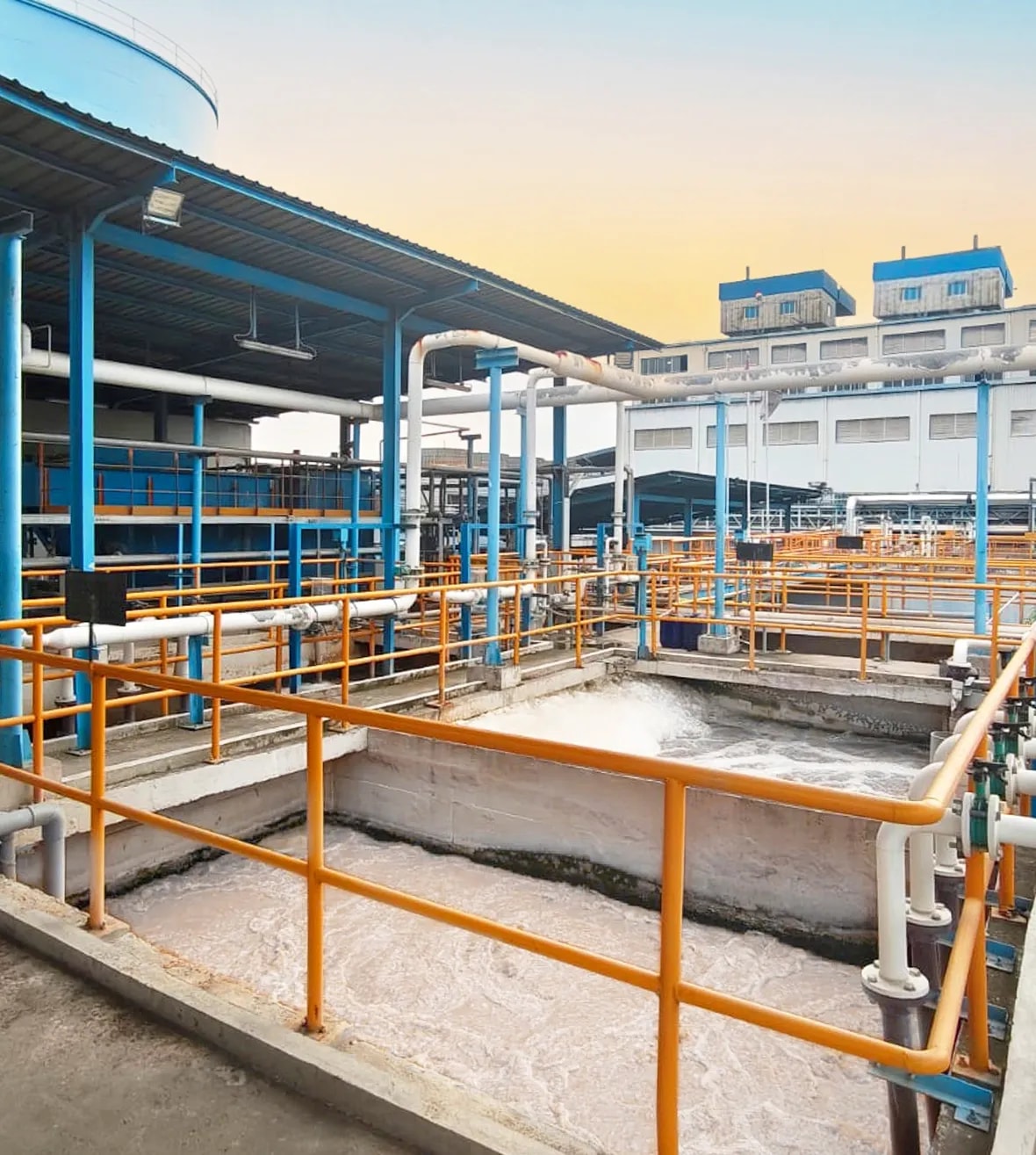
Water Stewardship
Responsible water management is vital for maintaining healthy ecosystems and supporting neighboring communities. We focus on reducing water withdrawal intensity, treating effluent, and protecting waterways.
- Responsible Water Intake: We continously monitor and minimize water withdrawals and consumption. To reduce our water use intensity, we have implemented various programs such as rainwater collection, reject water reuse, waterless cleaning of accidental oil spill (utilizing fibres), waste water recycling, etc.
- POME Treatment & Quality: Treating all Palm Oil Mill Effluent in specialized treatment systems to ensure discharged water meets environmental threshold regulation.
- Riparian Buffer Zone Protection: Restoring and maintaining vegetated riparian buffers along natural waterbodies to prevent soil erosion and maintain aquatic biodiversity.
While these programs have contributed to the decrease in our water use intensity over the years, we will not rest but will continue to innovate and seek out ways to further reduce our water use intensity. We aim to reduce our 2030 water use intensity by 20% against the 2020 baseline level and maintain full compliance in treating our wastewaters and protecting the rivers that flow through our business units.
10 Wastewater Treatment Plant
Installed across Our Operation
4 Land Application System
Utilized across Our Plantation
100% Wastewater
Treated Before Discharged
05 / 05
Proper Chemical Use and Waste Management
Minimizing chemical reliance and enforcing strict waste management protocols protects soil health, water quality, and worker safety. We prioritize natural solution and enforce strict 3R waste policies
- Integrated Pest Management (IPM): Prioritizing biological controls—such as barn owls (Tyto alba) and beneficial plants—to minimize chemical pesticide usage.
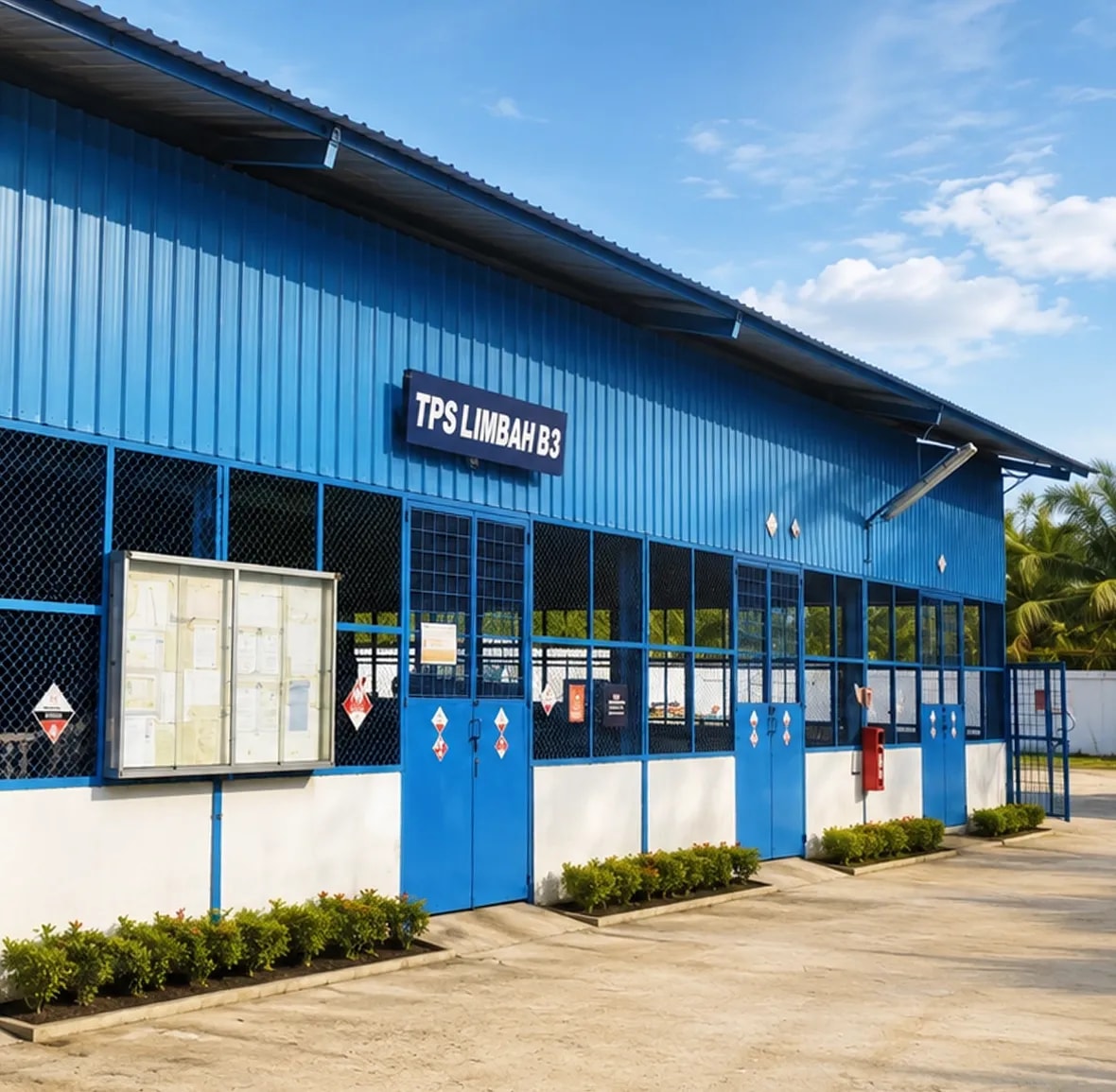
- Hazardous & Non-Hazardous Waste: Applying 3R policies (Reduce, Reuse, Recycle) to cut down waste, while ensuring all hazardous (B3) waste is safely stored and handled by licensed partners.
- Responsible Chemical & Pesticide Handling: Training in chemical handling, storage, and ensuring personal protective equipment (PPE) in full compliance with safety regulations.
To minimize the adverse impact of the use of chemicals on the environment as well as on the health of our workers, we aim to reduce our chemical use intensity and hazardous waste intensity by 10% compared to 2020 baseline by 2030.
0 Use of Chemical & Pesticide
Prohibited by WHO Class 1a/1b, Stockholm and Rotterdam Conventions.
3R Implementation
Across All of Our Operation.
100% Hazardous Waste
Transported and Treated by Certified Third-party Contractors
What We've Achieved
Commitment to zero deforestation and forest conservation
No development on peatland
Zero-burn policy for land preparation
Active GHG emissions monitoring and reduction targets
Explore Our
Sustainability Journey
Discover our full range of sustainability commitments, initiatives, and performance across all pillars.